
GODMOTHERS ON RECORD
⋆
GODMOTHERS ON RECORD ⋆
Godmothers on Record is an ongoing archival project and collection by Black Girls Love Vinyl dedicated to honoring the Black women who shaped and revolutionized the phonograph recording industry. This evolving archive centers trailblazers and visionary women whose leadership and innovation transformed music, business, and cultural production. Through research, documentation, and stewardship, their legacies are preserved within the expanding BGLV Archive, ensuring that their groundbreaking contributions remain an active and essential part of the living history of recorded sound.

-
In 1950 Vivian Carter and her business partner, James Bracken opened up Vivian’s Record Shop at 1640 Broadway in Gary, Indiana’s Midtown District. In 1953, Carter and Bracken borrowed $500 to begin their new record company journey, Vee-Jay Records, which quickly began to take off in Chicago. Vee-Jay Records was one of the first African-American owned record labels to achieve significant success. The label was instrumental in promoting Blues, R&B, jazz and early rock n’ roll, featuring artists like The Beatles (in the U.S.), The Four Seasons, John Lee Hooker and Jimmy Reed.

-
In the late 1940s, Johnson was the primary business manager of Buffalo Booking Agency, assisting Don Robey in Houston, TX. In 1949 Peacock Records was born and Johnson continued working behind the scenes, playing a crucial role in creating, developing, and operating one of the most commercially successful African-American owned music enterprises alongside Robey that later merged with Duke Records in 1952. Johnson was directly involved in recording, managing, booking, and promoting a large number of influential artists in Blues, R&B, Gospel and Pop during their rise to stardom. Over 25 years, musicians affectionately referred to Evelyn as "Mother Superior" for her shrewdness personality and highly respected contributions to the recording industry.
-
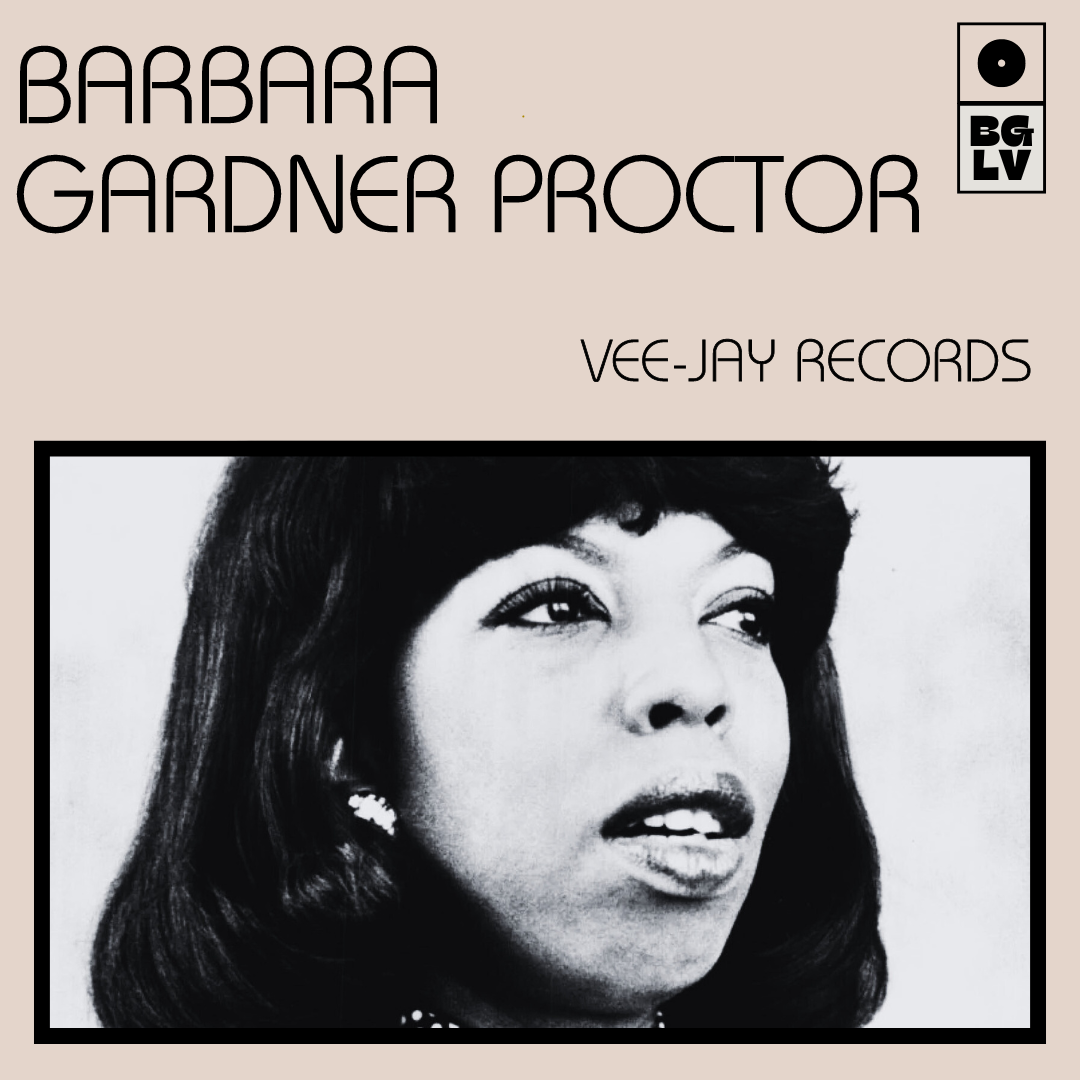
Proctor worked as a social worker with the Urban League in Chicago for about a year before transitioning to a different career. While working late, she often listened to the radio, which inspired a career change. Proctor started by cataloging records at Sid McCoy’s record shop and then progressed to writing Liner Notes for Vee-Jay Records. In 1962 as the PR Director, Proctor facilitated the trade of records by The Beatles, who had not yet gained popularity in the United States and arranged for Vee-Jay Records to sign the group to a short-term contract.

-
Matthews was a Blues and R&B singer, songwriter and record producer from Bessemer, Alabama. Known as the “Godmother of Detroit Soul” she borrowed $85 from her husband’s paycheck to become the first African-American woman to own and operate her own record label, Northern Recording Company in 1958. Matthew’s played a crucial role in the development of Detroit’s music scene, such as mentoring and producing careers of David Ruffin, The Funk Brothers, members of the Temptations, Berry Gordy of Motown and many more.

-
Born in Houston, Texas, Victoria Spivey moved to St. Louis, Missouri, in 1926, where she was signed by Okeh Records and recorded her first song, "Black Snake Blues" and later moved on to New York City. In 1961, she founded Spivey Records with Len Kunstadt utilizing her industry connections and expertise to attract a roster of talented musicians, featuring recordings by Big Joe Williams, Roosevelt Sykes, Lonnie Johnson and many more. Notably, a young Bob Dylan played harmonica on a 1962 session for the label. Known for high-quality production and authentic blues, Spivey Records left a lasting legacy of many recordings for record collectors and music lovers alike.

-
Sylvia Robinson co-founded Sugar Hill Records with her husband, Joe Robinson, in 1979. The label played a crucial role in the early development of hip-hop music, producing the first successful rap single, "Rapper's Delight" by The Sugarhill Gang, which introduced rap to a global audience and marked the beginning of commercial hip-hop. Under her leadership, Sugar Hill Records became a powerhouse in the industry, signing and producing landmark acts like Grandmaster Flash and the Furious Five, whose single "The Message" is widely regarded as one of the most influential hip-hop songs of all time. Robinson's impact on the music industry was profound, earning her the title "Mother of Hip-Hop" due to her pivotal role in bringing rap music to the mainstream.
-
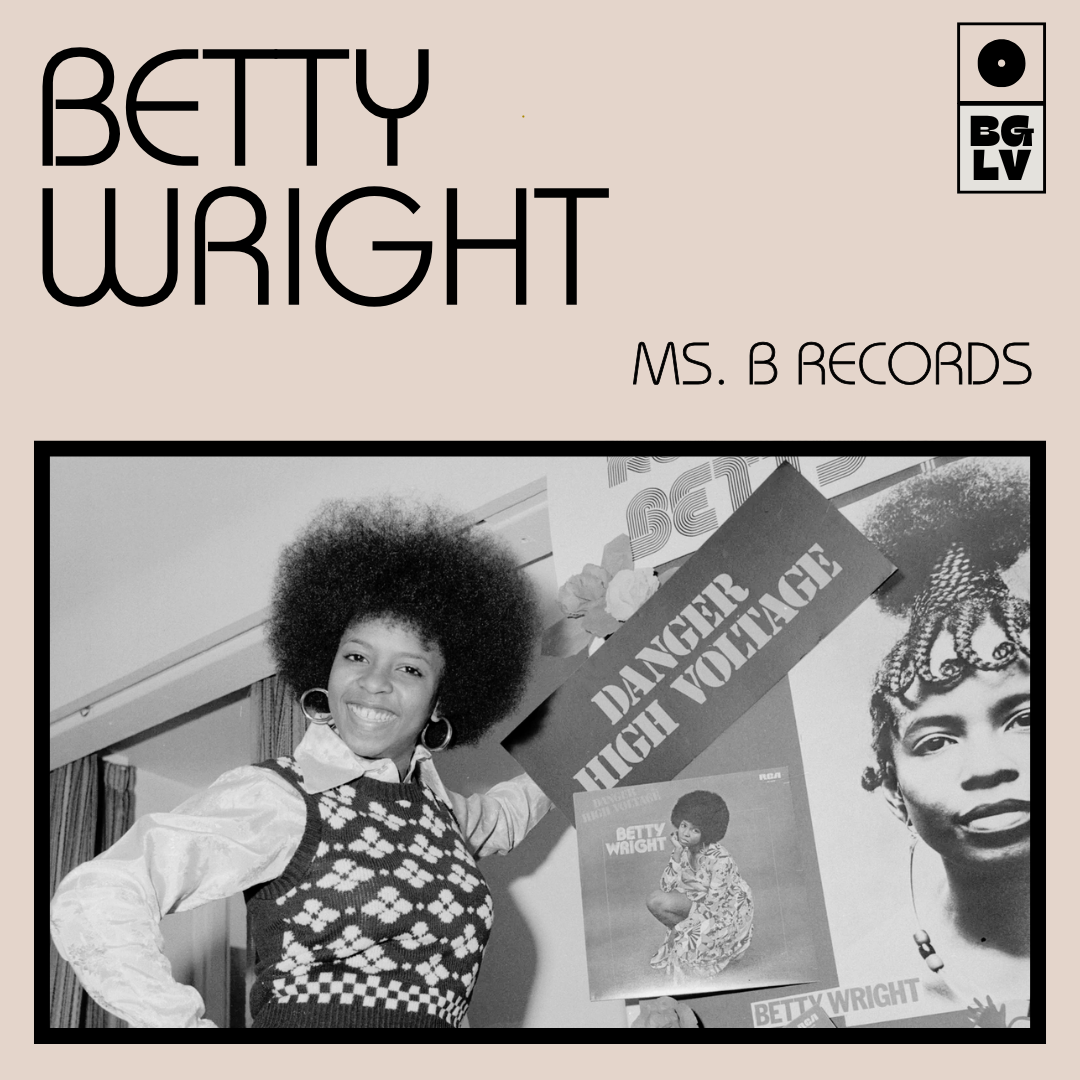
After the apparent dissolution of Alston Records in 1979, Betty Wright recalibrated and she founded her own label in 1985, Ms. B Records, reclaiming full control over her artistry and business operations. In 1988, Wright made music history as the first woman to earn a gold record on her own label for a project she self-wrote, arranged, produced, and published. That project was Mother Wit, an album that reasserted both her commercial viability and her executive authority. The record featured two of her biggest late-career hits, “No Pain No Gain” and “After The Pain,” both of which showcased her extraordinary upper register and widely cited seven-octave range.
-
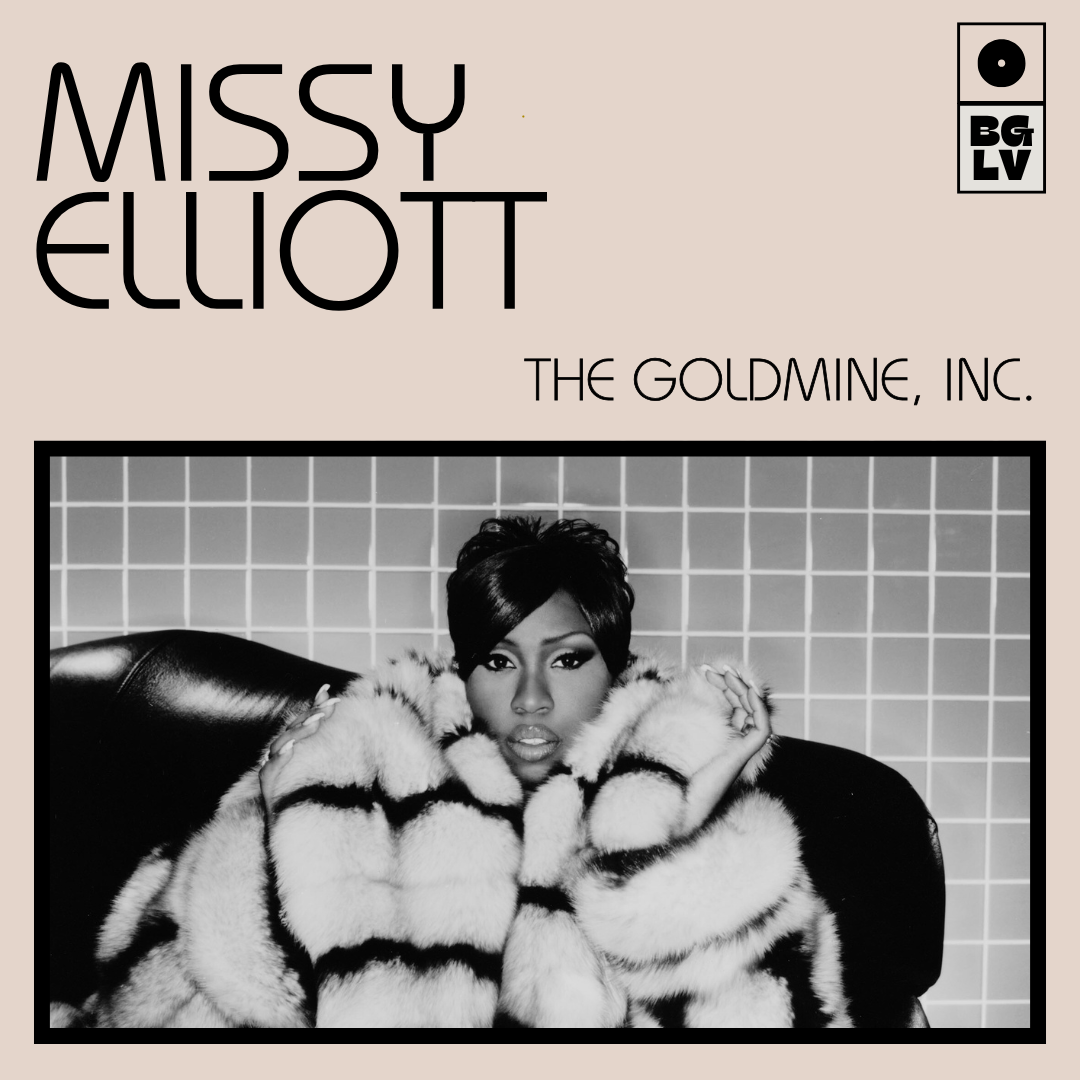
The Goldmind, Inc., founded by Virginia native, Missy Elliott in 1997 with encouragement from Sylvia Rhone and Merlin Bobb, became a powerhouse label delivering iconic R&B and hip-hop releases. The label debuted with Supa Dupa Fly, launching Missy’s legendary career, followed by platinum albums like Under Construction and This Is Not a Test!. It also introduced artists like Nicole Wray and Tweet, whose Southern Hummingbird produced the hit single “Oops (Oh My).” Partnering with Elektra and later Atlantic Records, The Goldmind consistently delivered innovative music that shaped the sound of the 2000s. The label also played a key role in the success of producers like Timbaland, whose signature sound became a staple of The Goldmind’s releases. Missy Elliott’s influence through The Goldmind continues to inspire new generations of artists and shape the future of hip-hop and R&B.
-
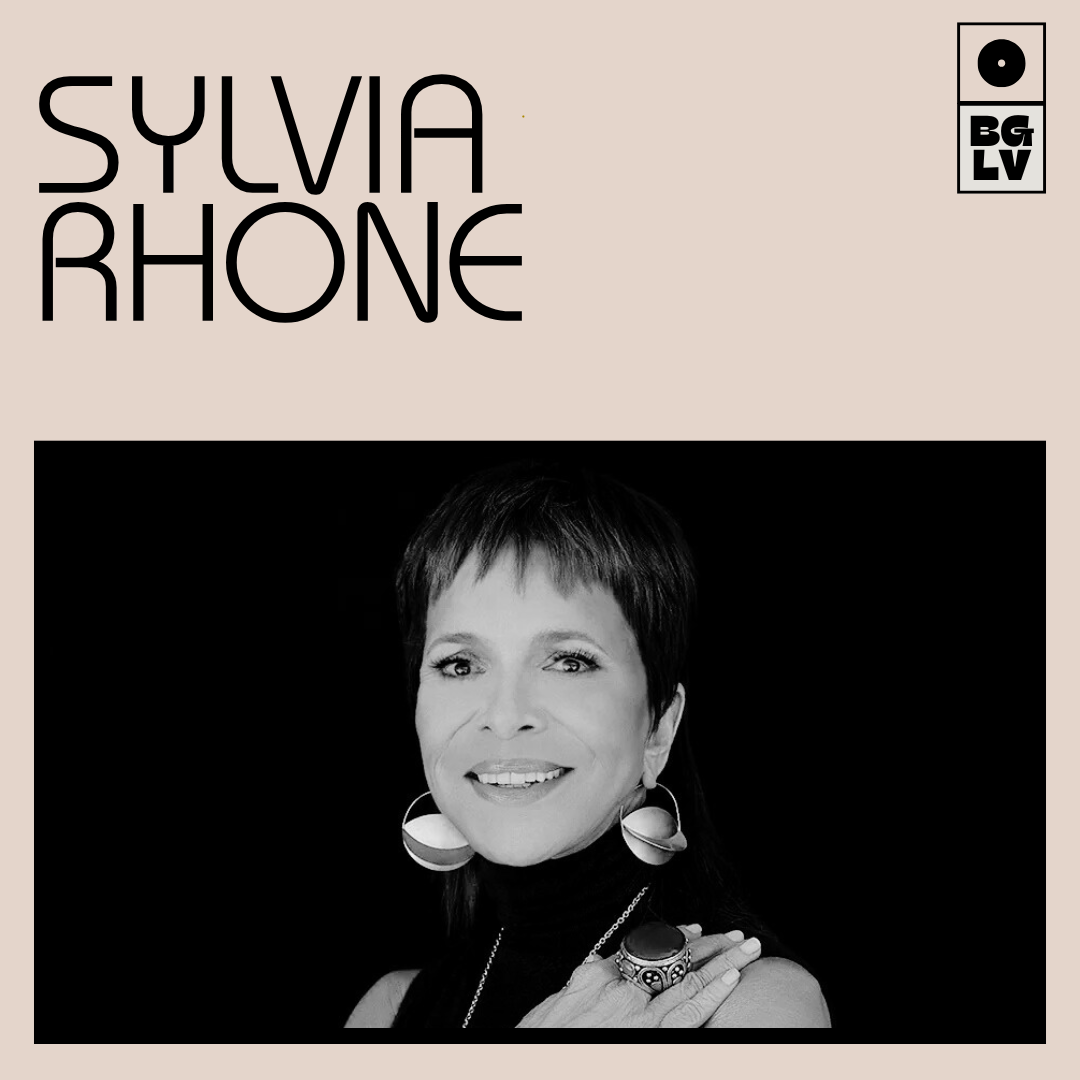
Sylvia Rhone is a trailblazing music industry executive who made history as the first Black woman to become CEO of a major record label when she was appointed Chairman and CEO of Epic Records in 2019. During her tenure, she led the label to unprecedented success, including three albums simultaneously in the Billboard 200’s top 10 and hits like Travis Scott's Astroworld and Camila Cabello's Camila. Prior to Epic, Rhone was Chairman of Vested In Culture, a joint venture with Sony Music, and President of Universal Motown, where she rebranded the label and helped develop artists like Lil Wayne, Drake, and Nicki Minaj. Rhone's career began in the '80s at Atlantic Records, where she became the first Black woman to head a major record company, later shaping the future of artists like Missy Elliott and MC Lyte. Throughout her career, Rhone has been a force for diversity and gender balance in the music industry, reshaping its artistic and cultural identity.